
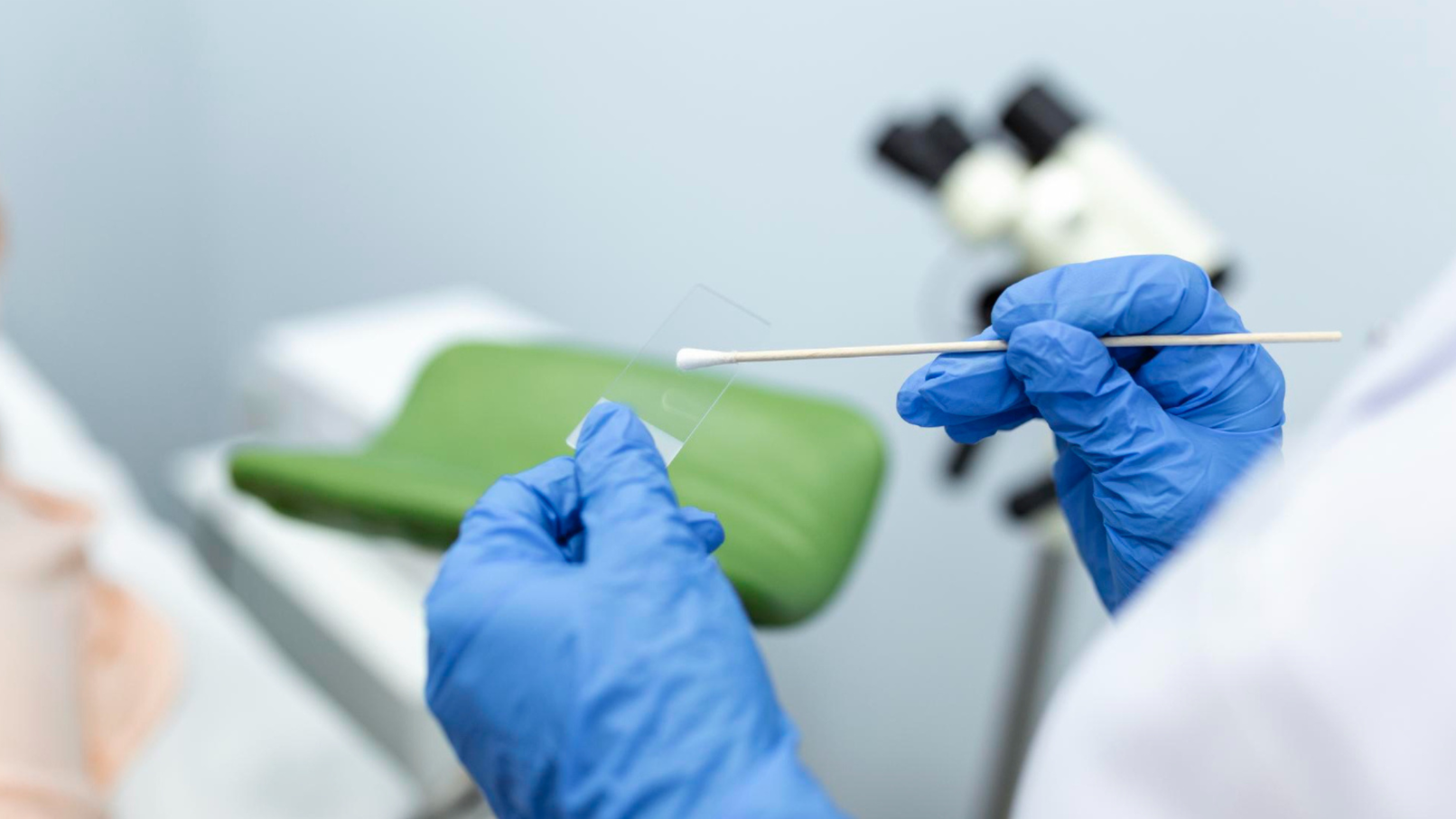
If you have received an invitation for cervical screening and have not yet booked your appointment, you are not alone, and you are one of many women in the same position. Feeling unsure about what to do next is completely understandable.
Cervical screening, which used to be called a smear test, checks a small sample from the cervix for high-risk types of a virus called the human papillomavirus, which is usually shortened to HPV. HPV is a very common virus that is usually harmless, although some high-risk types of HPV can increase your chance of developing cervical cancer.
To put this into perspective, the latest figures reported by NHS England show that 68.8% of eligible women were up to date with their cervical screening. This is below the NHS England target of 80%, and it means that millions of women in England are not up to date with their screening. Dr Sue Mann, National Clinical Director for Women's Health at NHS England, has explained that some women feel embarrassed or worried about discomfort, while others find it difficult to make time for an appointment.
To help these women take part in another way, the NHS in England has begun inviting some of them to order a free HPV self-testing kit, which allows them to collect their own sample at home. The offer is by invitation only, and it is for women who were invited for cervical screening but did not attend. NHS England is clear that cervical screening appointments with a nurse or doctor remain the best way to help prevent cervical cancer, and it has introduced self-testing as an additional choice for women who have not taken up their previous invitations.
This guide explains how the self-test works and who is being invited to take it. It also compares self-testing with cervical screening and sets out what each possible result of the self-test means for you.
What is HPV self-testing?
HPV self-testing is a way of testing for high-risk HPV using a sample you collect, either at home or in another private space. You do not need an appointment, and you can do the test at a time that suits you. The kit contains a swab, which looks a little like a long cotton bud, and you insert it a few centimetres into your vagina to collect the sample. Full instructions explaining how to do this are included in the kit.
Once you have taken your sample, you post it back to the NHS straight away in the envelope provided, and the postage is free. The NHS then checks your sample for high-risk HPV. If you need extra help to do the test, for example because you have a physical or learning disability, support is available, and you will find the contact details for this support in your self-test invitation.
Who is being offered a self-testing kit?
The self-testing kit is offered by invitation only, and the NHS is introducing it in phases across England as part of the NHS Cervical Screening Programme. The first invitations are going to women aged between 30 and 65 who have not attended cervical screening after receiving previous invitations. If you are invited, your invitation may arrive through the NHS App, by text message, by email or by letter. Once you have your invitation, you can order your free kit through the NHS App or your NHS online account, and you can create an account if you do not already have one. Your invitation also includes information about other ways to order a kit.
For context, the NHS invites women aged 25 to 64 for routine cervical screening every five years. Your first invitation arrives a few months before you turn 25, and you may be invited before the usual five years have passed if you have HPV. If you already attend cervical screening with a nurse or doctor at your GP practice or a sexual health clinic, NHS England advises that you continue to book your appointments as usual.
Routine screening invitations usually stop once you turn 65, and after that you will only be invited again if a recent test was abnormal. If your routine cervical screening is due on or after your 60th birthday and you do not attend, the NHS will confirm that you will no longer receive routine invitations, although you may receive an invitation to request an HPV self-testing kit.
How does self-testing compare with cervical screening?
One of the main distinctions between the two tests is what each one is able to check. The self-test only checks for high-risk HPV, so it cannot show whether the cells of your cervix have changed, or what kind of changes they are. At a cervical screening appointment, a nurse or doctor takes a small sample from your cervix at your GP surgery or a sexual health clinic. This sample is checked for high-risk HPV, and if high-risk HPV is found, the same sample is then checked for cell changes that could increase the risk of cervical cancer.
With a self-test, in comparison, the NHS checks the sample you collect yourself for high-risk HPV. If high-risk HPV is found, you will be asked to book a cervical screening appointment, and a nurse or doctor will then take a small sample from your cervix at that appointment to check for cell changes. These cell changes can usually be treated before cancer develops.
The NHS is also clear that the evidence does not yet show that switching to self-testing prevents cervical cancer as effectively as attending cervical screening regularly. For women who have not been screened, however, the NHS describes self-testing as the next best option. The table below summarises how the two tests compare.
| Cervical screening | HPV self-test | |
|---|---|---|
| Where it takes place | At your GP surgery or a sexual health clinic | At home or in another private space, at a time that suits you |
| Who takes the sample | A nurse or doctor takes a small sample from your cervix | You take your own sample by inserting a swab a few centimetres into your vagina |
| What the sample is checked for | High-risk HPV, and then cell changes if high-risk HPV is found | High-risk HPV |
| If high-risk HPV is found | The same sample is then checked for cell changes | You are asked to book a cervical screening appointment, where a nurse or doctor takes a sample from your cervix to check for cell changes |
| Who it is for | Women aged 25 to 64, who are invited every five years | Women who were invited for cervical screening but did not attend, and who then receive a self-test invitation |
What do the results of an HPV self-test mean?
You should receive your self-test results within 14 days, either in the NHS App or by letter, and what happens next depends on which of the following results you receive.
If your result is HPV negative
An HPV negative result means that the self-test did not find high-risk HPV in your sample, and you will be invited for cervical screening again in five years, as long as you are still eligible for screening at that time. You could still be infected with HPV in the future, so the NHS advises that you know the symptoms of cervical cancer, which are described later in this guide.
If your result is HPV positive
An HPV positive result means that the self-test found high-risk HPV in your sample, and it is important to know that this does not mean you have cervical cancer. You will be asked to book a cervical screening appointment at your GP surgery or a sexual health clinic, where a nurse or doctor will take a sample from your cervix to check for cell changes that could increase the risk of cervical cancer. It is completely understandable to feel anxious after a positive result, so it may help to know that cell changes found at this follow-up appointment can usually be treated before cancer develops.
If your result is not clear
If the NHS was not able to get a clear result from your self-test, you may be asked to do the test again. The NHS explains that an unclear result is nothing to worry about and does not mean that you have cancer.
Do you still need screening if you have had the HPV vaccine?
This is a sensible question to ask, and the NHS advises that you do still need screening, even if you have had the HPV vaccine. The HPV vaccine does not protect against every type of HPV, so women who have been vaccinated should still attend their cervical screening appointments or, if they are invited, take an HPV self-test. If you are under 25 and you missed your HPV vaccine when you were 12 or 13 years old, you can contact your GP surgery to arrange to be vaccinated.
What if you would prefer to see a nurse or doctor?
You can still book a cervical screening appointment at any time, even if you were invited for cervical screening months or years ago. The NHS also explains that if you missed your last cervical screening, you do not need to wait for a new invitation before you book an appointment. Self-testing is an additional choice for women who have not attended screening, so if you would feel more reassured having your sample taken by a nurse or doctor, that option remains open to you.
When should you seek advice about symptoms?
Cervical screening is designed to help prevent cervical cancer rather than to respond to symptoms, as Athena Lamnisos, Chief Executive Officer of The Eve Appeal, explained when the NHS announced the self-testing kits. The NHS lists unusual vaginal discharge and some unexpected bleeding between periods among the symptoms of cervical cancer. Bleeding during or after sex, and any unexpected bleeding after the menopause, are also listed as symptoms. If you notice any of these symptoms, the NHS advises seeing a GP rather than waiting for your next cervical screening appointment.
How Mr Morris can help
If you have questions about your cervical health, or a symptom you would like to have assessed, it is completely understandable to want a specialist opinion. Mr Nicholas Morris MBBS FRCOG MEWI is a Consultant Gynaecologist who offers Well-Woman checks, and these checks include cervical smear tests and pelvic examinations. He can assess your concerns and explain the options available to you in a clear and considered way.
Appointments are usually available within 24 to 48 hours at the London clinics, which are at 25 Harley Street and at Chase Lodge Hospital in Mill Hill, North London. A first consultation can take place online, while examinations and smear tests take place in person at the clinic.
To arrange an appointment, call 020 8371 1510 or email secretary@rapidaccessgynaecology.co.uk.