
Hysteroscopy: Is It Painful, Is It Safe, and What to Expect
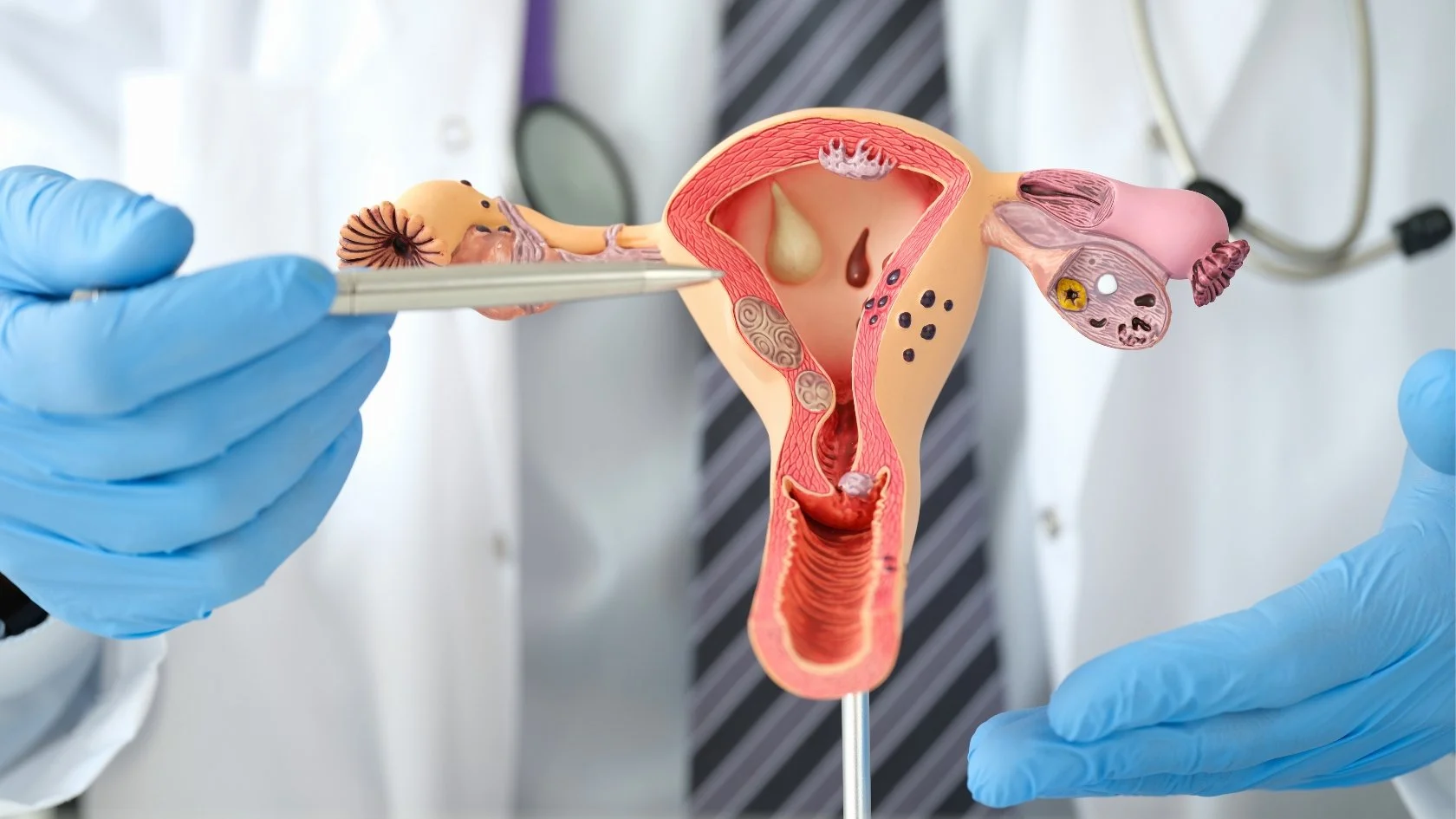
A hysteroscopy is a common gynaecological procedure that allows the surgeon to look inside the uterus using a telescope-like camera. It sounds daunting, and many women arrive worried about pain, but the reality is more reassuring.
Recent RCOG guidance gives you access to clear information, pain relief options and the time to make an informed choice about your care. This article answers the questions women ask most, covering what a hysteroscopy involves, why it is needed, whether it hurts, and how to make it as comfortable as possible.
What Is a Hysteroscopy?
A hysteroscopy is a diagnostic examination of the inside of the uterus. A gynaecologist passes the slim hysteroscope through the cervix and into the uterus, showing the lining and shape of the womb on a TV screen. It is carried out through the vagina so no cuts are needed. It can also be used to treat some conditions, for example removing a polyp or a small fibroid.
Why Is a Hysteroscopy Needed?
A hysteroscopy will help diagnose the causes of uterine pathologies and, where possible, allow treatment. Common reasons include heavy or irregular periods, bleeding after the menopause, bleeding between periods, and the investigation of polyps or fibroids. A gynaecologist may also recommend one to take a biopsy, to check the lining of the womb, or to look into difficulty conceiving. The aim is to make a diagnosis, so that any treatment can be matched to the true cause of your symptoms.
Is a Hysteroscopy Done in the Clinic or Under Anaesthetic?
Both options are available, and the right one depends on you and your circumstances. Many hysteroscopies are done as an outpatient procedure, while you are awake and without a general anaesthetic. You are usually in the department only for the length of the appointment, and the examination itself often takes around 10 to 15 minutes. The alternative is a hysteroscopy under general anaesthetic, carried out as a day case in an operating theatre, where you are asleep throughout. A specialist will talk through which setting suits your situation, your medical history and your own preference.
Is a Hysteroscopy Major Surgery?
No, a diagnostic hysteroscopy is not major surgery. Nothing is cut or removed to reach the uterus, as the hysteroscope passes through the cervix, so there are no external wounds and no stitches. An outpatient hysteroscopy is a minor procedure done while you are awake, and even under general anaesthetic it remains a day case, with most women going home the same day. Recovery is usually quick, and many women return to their normal routine within a day.
Is Outpatient Hysteroscopy Painful, and Why Can It Hurt?
Experiences vary a great deal between women. Most women feel some discomfort, often similar to period cramps, particularly as the hysteroscope passes through the cervix or when a biopsy is taken. For a smaller number the pain is more intense, and this is not unusual or a sign that anything is wrong with you. The discomfort comes from the cervix and the womb, which are sensitive, and factors such as anxiety, the menopause or previous painful examinations can make it more likely.
The most important point is that you stay in control throughout. You can take simple pain relief before your appointment, ask about the options available to you, and stop the procedure at any time if it becomes too uncomfortable. Telling the team how you feel is expected and welcomed, and a good clinic plans for your comfort from the outset.
What Pain Relief and Choices Do You Have?
Recent RCOG guidance has put informed choice at the centre of hysteroscopy care. You should receive written information before your appointment, covering the benefits, the risks, the pain relief options and the alternative of a general anaesthetic, with enough time to consider them. You are also entitled to reschedule if you need more time to decide.
Pain relief ranges across several options, and the right one depends on the procedure and on you. Simple pain relief taken beforehand suits many women, a local anaesthetic can be given to numb the cervix, and gas and air is available in some settings. The renewed Women's Health Strategy, published in April 2026, has reinforced this direction. It commits to co-developing a new standard of care with women, so that women are offered appropriate and effective pain relief for invasive gynaecological procedures, hysteroscopy included.
Is a Hysteroscopy Safe?
Yes, a hysteroscopy is a safe procedure with a low risk of complications. Most women have no problems at all. The possible risks are usually minor and include some pain, feeling faint or sick, and light bleeding for a few days. Infection is uncommon, and damage to the wall of the womb, called perforation, is rare, and rarer still during an outpatient procedure than under general anaesthetic. Your specialist will explain the risks relevant to you before you agree to go ahead.
The table below sets out how the two settings differ, so you can see which might suit you.
| Feature | Outpatient (in clinic) | Under general anaesthetic |
|---|---|---|
| Anaesthetic | Awake, with an optional local anaesthetic or gas and air | Asleep throughout |
| Setting | An outpatient clinic | An operating theatre, as a day case |
| Time in hospital | The length of the appointment | Most of the day |
| Recovery | Usually quick, often back to routine the next day | A little longer, home the same day |
| Often suited to | Straightforward diagnosis or minor treatment | More complex cases, or when preferred for comfort |
How Mr Morris Can Help
Mr Morris is a consultant gynaecologist who performs hysteroscopy for a range of conditions, including heavy or abnormal bleeding, polyps and fibroids. He takes comfort and choice seriously, explains what to expect in plain terms, and discusses the pain relief and the setting that suit you before anything is agreed. Where a hysteroscopy can both diagnose and treat a problem in a single visit, he will aim to do so, and where a general anaesthetic is the better option for you, he will arrange it. Appointments are usually available within 24 to 48 hours, in person or online, so you are not left waiting for answers.
To discuss a hysteroscopy or book an appointment, please call Mr Morris's personal assistant on 020 8371 1510 or email secretary@rapidaccessgynaecology.co.uk.
Frequently Asked Questions
How long does a hysteroscopy take?
The examination itself usually takes around 10 to 15 minutes, though the full appointment is longer, as time is needed to prepare and to talk through your results.
Do I need to fast or prepare beforehand?
For an outpatient hysteroscopy you can usually eat and drink as normal and taking simple pain relief about an hour before can help. A general anaesthetic needs fasting, and your team will give you clear instructions.
Can I drive myself home afterwards?
After an outpatient hysteroscopy most women can drive home, though you may prefer to have company. If you use gas and air during the procedure, you may be asked to wait a short while before driving, until its effects have fully worn off. After a general anaesthetic you should not drive that day and will need someone with you.
What if I found a hysteroscopy painful before?
Tell your specialist, as this changes the plan. Stronger pain relief or a general anaesthetic can be arranged, so a difficult past experience does not have to repeat itself.
Will I get the results straight away?
A specialist can often explain what they see during the appointment. If a biopsy is taken, the results follow later, usually within a few weeks.